- Home
- Dreams About Birds
- Mockingbird Dream Meaning | Symbolism & Interpretation
Mockingbird Dream Meaning | Symbolism & Interpretation
The collective byline used for content planned, drafted, edited, published, or maintained through the Spirit Animals editorial workflow.

✨ Discover your spiritual guide
Find Your Spirit Animal
Take the 30-second quiz and explore the deeper symbolism, personality traits, and spiritual meaning behind your result.
Mockingbird Dream Meaning At A Glance
| Usually Means | Protection, adaptability, creativity, communication |
|---|---|
| Positive Sign | The mockingbird is a symbol of communication, protection, and self-expression |
| Warning Sign | The dream context and your emotions may change the meaning |
| Emotional Theme | Dreams about mockingbirds often encourage individuality and personal growth |
| Spiritual Message | Dreams about mockingbirds often encourage individuality and personal growth |
Have you ever woken up from a dream about a mockingbird and wondered what it could mean? This fascinating bird, known for its ability to mimic sounds and songs, carries deep symbolism across cultures.
From Native American traditions to modern literature, the mockingbird has been a powerful symbol of communication, protection, and self-expression.
In dreams, the mockingbird often appears as a reminder to trust your voice and embrace your individuality. Its presence can symbolize personal growth, artistic inspiration, or even a call to nurture your relationships.
Whether it’s singing in your dream or perched quietly, the mockingbird’s message is one of clarity and connection.
In this article, we’ll explore the rich symbolism of the mockingbird and what it might mean when it appears in your dreams.
From its role as a spirit animal to its cultural significance, you’ll gain a deeper understanding of this remarkable bird and the lessons it brings.
Introduction to Mockingbird Symbolism
Across cultures, the mockingbird stands as a powerful emblem of communication and self-expression. Its ability to mimic sounds and songs has made it a symbol of adaptability and creativity.
Whether in dreams or as a spirit animal, the mockingbird carries messages that resonate deeply with personal growth and individuality.
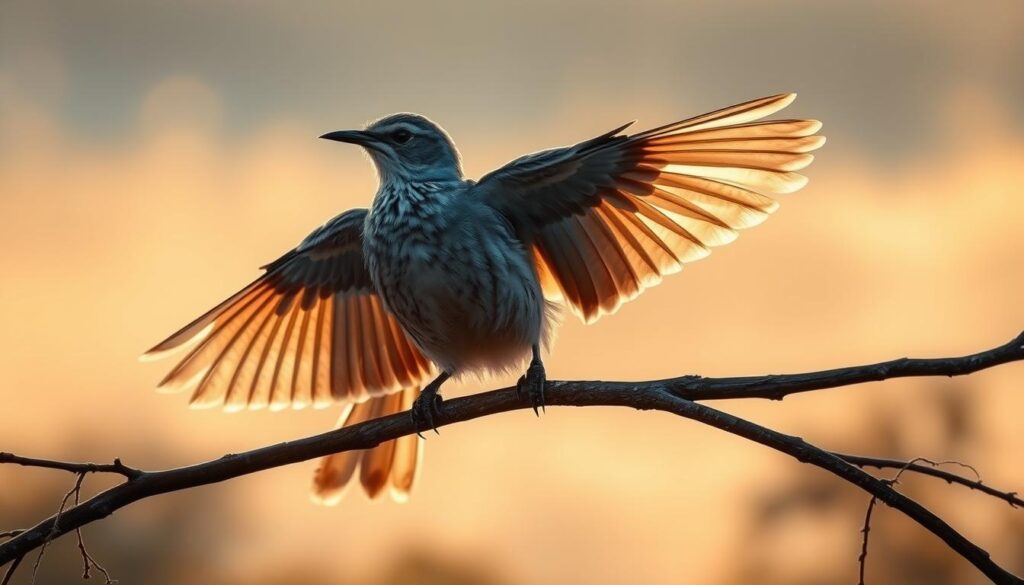
In this article, we’ll explore the rich symbolism of the mockingbird, blending ancient traditions with modern interpretations. From its role as a spirit animal to its cultural significance, you’ll gain a deeper understanding of this remarkable bird and the lessons it brings.
Overview of Themes and Insights
The mockingbird’s symbolism spans centuries, rooted in Native American traditions and echoed in contemporary literature. Its presence in dreams often serves as a reminder to trust your voice and embrace your unique path. This article will uncover:
- The mockingbird’s role as a spirit animal and its connection to personal growth.
- Its cultural significance across different societies and time periods.
- How dreams featuring mockingbirds can offer clarity and inspiration.
Purpose and Article Structure
This article is designed to guide you through the multifaceted symbolism of the mockingbird. We’ll start with its historical and cultural roots, delve into its role as a totem animal, and explore its presence in dreams. Each section is crafted to provide practical insights and personal guidance, helping you connect with the mockingbird’s wisdom in your own life.
| Symbol | Meaning |
|---|---|
| Communication | Trusting your voice and expressing yourself authentically. |
| Protection | Guarding your family and nurturing relationships. |
| Adaptability | Embracing change and finding creative solutions. |
| Innocence | Maintaining purity of heart and intention. |
By the end of this journey, you’ll have a deeper appreciation for the mockingbird’s symbolism and how it can inspire your personal growth. Let’s dive in and uncover the layers of meaning behind this remarkable bird.
The Historical and Cultural Significance of the Mockingbird
From ancient traditions to modern symbolism, the mockingbird holds a unique place in cultural narratives. Its ability to mimic sounds and its role as a guardian have made it a powerful symbol across civilizations.
Let’s explore how this remarkable bird has been revered and interpreted throughout history.
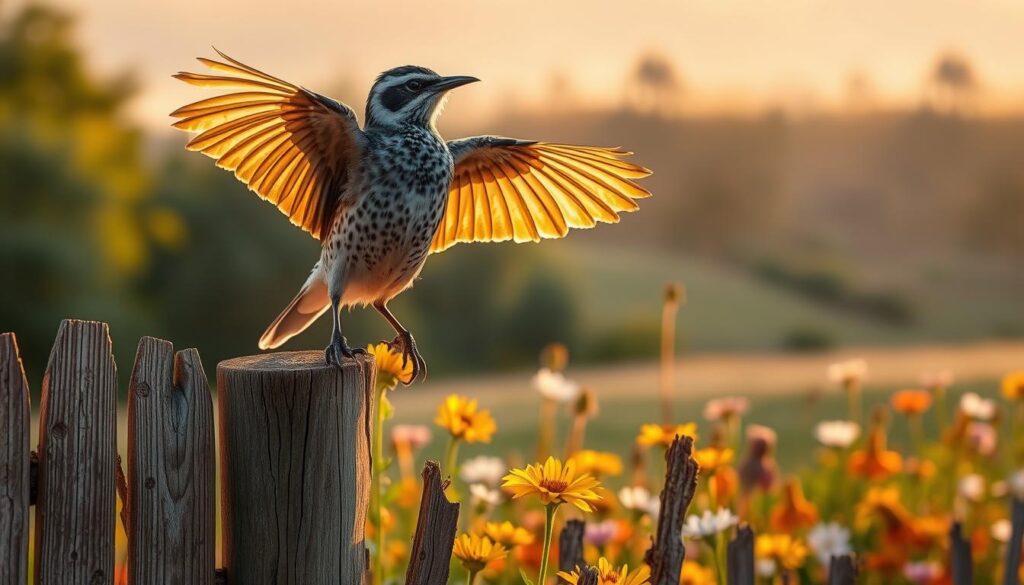
Native American Traditions and Beliefs
In Native American cultures, the mockingbird is often seen as a messenger and protector. Many tribes believed it carried spiritual messages, guiding individuals toward wisdom and clarity. For example, the Pima tribe viewed the mockingbird as a teacher of speech, emphasizing its role in communication.
Some traditions even involved feeding parts of the bird to children to enhance their intelligence. This reflects the mockingbird’s association with cleverness and adaptability. Its presence in folklore highlights its importance as a symbol of resilience and protection.
Celtic, Japanese, and Modern Perspectives
In Celtic culture, the mockingbird symbolizes adaptability and resourcefulness. Its mimicry ability was seen as a reminder to embrace change and find creative solutions. Similarly, in Japanese traditions, the bird is associated with protection and harmony, often appearing in stories as a guardian spirit.
In modern times, the mockingbird’s symbolism has evolved. It is celebrated as a state bird in five U.S. states, including Texas and Florida. This recognition underscores its role in American identity and its connection to themes of freedom and expression.
| Culture | Symbolism |
|---|---|
| Native American | Messenger, protector, teacher of speech |
| Celtic | Adaptability, resourcefulness |
| Japanese | Protection, harmony |
| Modern | Freedom, expression, state bird |
These diverse interpretations reveal the mockingbird’s universal appeal. Whether as a spiritual guide or a cultural icon, its presence continues to inspire and resonate across time and traditions.
Understanding the Mockingbird Spirit Animal
The mockingbird spirit animal is a guide for those seeking clarity and self-expression. Its presence in your life can inspire you to embrace your unique voice and protect what matters most.
Whether you’re navigating personal challenges or exploring your creativity, this spirit animal offers profound wisdom and encouragement.
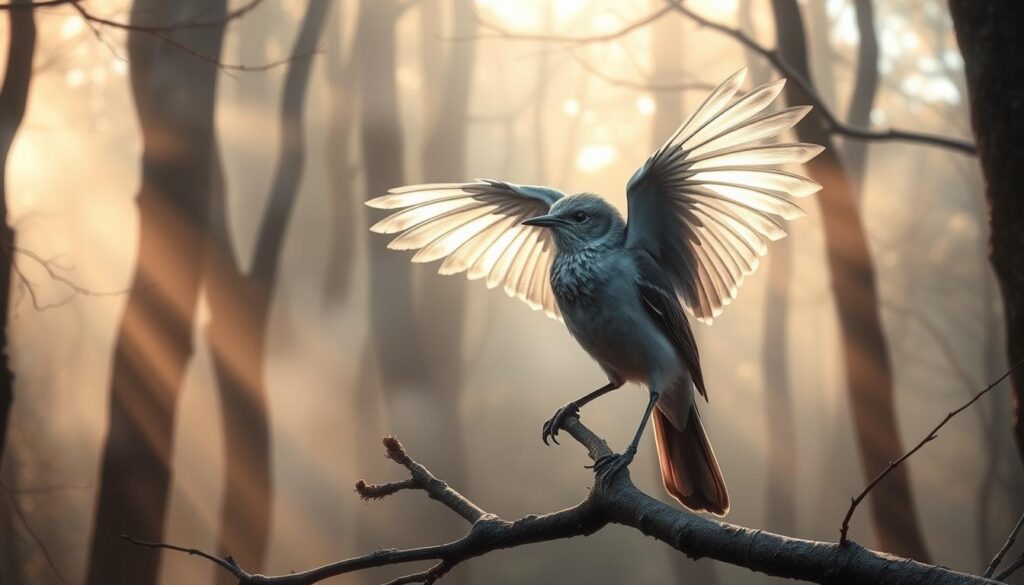
Finding Your Voice and Inner Strength
The mockingbird spirit animal teaches us to trust our inner voice. Its ability to mimic sounds reflects the power of adaptability and learning. When this spirit animal appears, it’s a reminder to express yourself authentically and embrace your individuality.
In Native American traditions, the mockingbird is seen as a teacher of speech. This symbolism highlights its role in helping you communicate your truth. By connecting with this spirit animal, you can gain the courage to speak up and share your ideas confidently.
Embodying Curiosity and Protection
Curiosity is another key trait of the mockingbird spirit animal. It encourages you to explore new experiences and learn from the world around you. This spirit animal’s mimicry ability is a metaphor for absorbing knowledge and adapting to change.
Protection is also central to the mockingbird’s symbolism. It reminds you to safeguard your personal space and nurture your relationships. Whether it’s your family or your creative projects, this spirit animal inspires you to care for what you hold dear.
| Aspect | Meaning |
|---|---|
| Voice | Encourages authentic self-expression and communication. |
| Curiosity | Inspires learning and adaptability through exploration. |
| Protection | Reminds you to guard your personal space and relationships. |
By embracing the lessons of the mockingbird spirit animal, you can unlock your inner strength and live a more authentic life. Reflect on its teachings and let its wisdom guide you on your journey.
Exploring the Mockingbird Totem Animal
The mockingbird totem animal embodies adaptability, loyalty, and harmony in ways that resonate deeply with our daily lives. As a symbol of social fluency, it teaches us to navigate relationships with grace and authenticity.
Whether you’re seeking to strengthen family bonds or foster creativity, the mockingbird offers timeless wisdom.
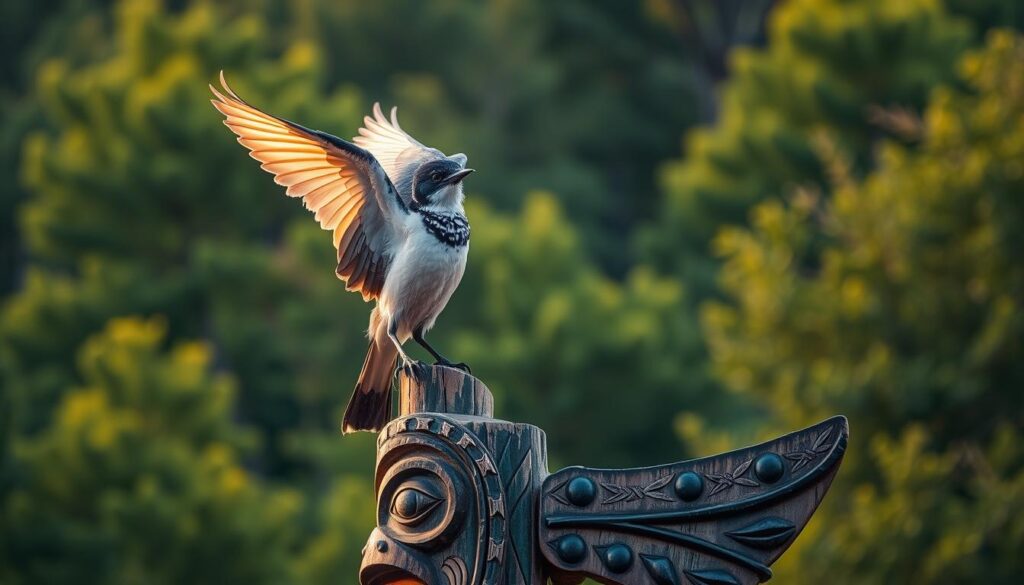
Loyalty, Adaptability, and Social Harmony
The mockingbird totem animal is a symbol of loyalty, often reminding us to nurture our relationships and protect what we hold dear. Its ability to mimic sounds reflects adaptability, encouraging us to embrace change and find creative solutions in life. This trait is especially valuable in social settings, where flexibility and understanding are key.
In Native American traditions, the mockingbird is seen as a guardian of harmony. Its presence encourages us to seek balance in our interactions and discern genuine connections. By observing its behavior, we can learn to foster positive social bonds and build a supportive community.
Lessons from Nature’s Imitators
The mockingbird’s mimicry is not just a survival skill—it’s a form of creative learning. By imitating the sounds around it, the mockingbird teaches us to absorb knowledge and adapt it to our own unique voice.
This process can inspire artistic expression and innovative thinking in our personal and professional lives.
Here are some practical ways to embrace the mockingbird’s lessons:
- Practice active listening to understand others’ perspectives.
- Adapt to new situations with curiosity and openness.
- Protect and nurture your relationships with care and loyalty.
By integrating these traits into your daily life, you can embody the wisdom of the mockingbird totem animal and create a harmonious balance between individuality and collective connection.
Unpacking Mockingbird Power Animal Attributes
When the mockingbird appears as a power animal, it brings lessons of adaptability and assertive communication. This remarkable bird, known for its mimicry ability, serves as a guide for those seeking to unlock their inner voice and express themselves confidently. Whether you’re navigating social interactions or pursuing personal growth, the mockingbird’s wisdom can inspire you to embrace your unique path.
Harnessing Mimicry for Assertive Communication
The mockingbird’s mimicry is more than just a survival skill—it’s a tool for mastering language and communication. By imitating sounds and songs, this bird teaches us to absorb knowledge and adapt it to our own voice.
This ability can be particularly powerful in public speaking or daily conversations, where confidence and clarity are key.
Here’s how you can harness the mockingbird’s traits:
- Practice active listening to understand others’ perspectives.
- Use mimicry as a way to learn new languages or improve articulation.
- Embrace adaptability to navigate social situations with ease.
Psychologically, embracing mimicry can help build confidence and reduce social fears. Studies show that mimicking positive behaviors and speech patterns can enhance self-esteem and foster authentic self-expression. The mockingbird’s example reminds us that communication is not just about speaking—it’s about connecting.
Historically, the mockingbird has been a symbol of resilience and adaptability. In Native American traditions, it was seen as a teacher of speech, guiding individuals to find their voice.
Today, its lessons remain relevant, encouraging us to communicate boldly and authentically in both personal and professional settings.
By integrating the mockingbird’s wisdom into your life, you can unlock new levels of confidence and clarity. Let this power animal inspire you to embrace your voice and share your message with the world.
In-Depth Analysis of mockingbird-dream-meaning
Dreams featuring mockingbirds often carry layered messages tied to your inner state. Whether the bird is singing, defending its nest, or simply perched nearby, each scenario holds symbolic significance. These dreams can reflect your emotions, life experiences, and even spiritual guidance.
Dream Scenarios and Their Meanings
Mockingbirds in dreams can appear in various ways, each with its own interpretation. For example, hearing a mockingbird sing might symbolize harmony and self-expression. Its song could be a reminder to trust your voice and embrace your individuality.
If you witness a mockingbird feeding its young, it may represent nurturing relationships or protecting what you hold dear. This scenario often highlights themes of family and care.
On the other hand, a hostile encounter with a mockingbird could signal unresolved conflicts or the need to defend your personal space.
Interpreting Emotions and Symbols in Your Dreams
Your emotions in the dream play a crucial role in understanding its meaning. Feeling joy or peace when you see a mockingbird might indicate personal growth or creative inspiration. Conversely, fear or anxiety could point to challenges you’re facing in waking life.
Symbols like the nest or the bird’s song add depth to the interpretation. A nest might symbolize security or new beginnings, while the song could represent communication or healing. Reflect on these elements to uncover the message your dream is conveying.
Here are some questions to guide your analysis:
- How did the mockingbird behave in your dream?
- What emotions did you feel during the encounter?
- Are there parallels between the dream and your current life?
By exploring these aspects, you can gain clarity and apply the mockingbird’s wisdom to your personal journey. Dreams are a powerful tool for self-discovery, and understanding their symbols can lead to transformative growth.
Spiritual Significance Behind Mockingbird Dreams
Dreams about mockingbirds often feel like whispers from the spirit realm, guiding you toward deeper self-awareness. These nocturnal encounters are more than just random images—they’re messages meant to inspire, protect, and enlighten.
Whether the mockingbird is singing, nesting, or simply present, its appearance carries profound spiritual meaning.
Guidance from the Spirit Realm
In many cultures, the mockingbird is seen as a divine messenger. Its ability to mimic sounds symbolizes adaptability and the power of communication. When it appears in your dreams, it’s often a sign to trust your inner voice and embrace your unique path. This spirit animal encourages you to listen to subtle cues from the universe and act on them.
Native American traditions view the mockingbird as a protector against negative energies. Its presence in dreams can signify a need to guard your personal space or nurture your relationships.
By paying attention to these messages, you can align yourself with spiritual guidance and find clarity in your waking life.
Practical Exercises for Spiritual Connection
To tap into the wisdom of mockingbird dreams, try these practices:
- Journal your dreams: Write down details like the mockingbird’s behavior and your emotions during the dream.
- Meditate on its symbolism: Reflect on what the mockingbird represents in your life—communication, protection, or creativity.
- Practice mindfulness: Stay present and open to signs from the spirit realm in your daily life.
These exercises can help you decode the messages in your dreams and apply their lessons to your personal growth. Remember, the mockingbird’s guidance is often subtle, so inner listening is key.
| Dream Symbol | Spiritual Meaning |
|---|---|
| Singing Mockingbird | Encourages self-expression and trust in your voice. |
| Nesting Mockingbird | Symbolizes protection and nurturing relationships. |
| Angry Mockingbird | May indicate unresolved conflicts or the need to defend your space. |
| Quiet Mockingbird | Reminds you to seek inner peace and self-validation. |
By understanding the spiritual significance of mockingbird dreams, you can deepen your connection to the unseen world and unlock new levels of self-awareness. Let this remarkable bird guide you toward clarity, protection, and inner wisdom.
The Role of Mimicry: Imitation and Creative Expression
The mockingbird’s mimicry is more than just imitation—it’s a gateway to creativity and self-expression. This remarkable bird doesn’t just copy sounds; it transforms them into something uniquely its own. Artists, musicians, and writers have long drawn inspiration from this ability, seeing it as a metaphor for innovation and adaptability.
Artistic Inspiration in Sound and Movement
The mockingbird’s songs are a symphony of borrowed melodies, yet they carry a distinct rhythm. This blend of imitation and originality has inspired countless artists.
Musicians, for example, often mimic natural sounds to create compositions that resonate deeply with listeners. The mockingbird’s ability to adapt and innovate serves as a reminder that creativity often begins with observation.
In literature, the mockingbird’s mimicry symbolizes the power of storytelling. Just as the bird weaves together different sounds, writers blend experiences and ideas to craft compelling narratives. This process reflects the mockingbird’s role as a symbol of communication and artistic expression.
Historically, cultures like the Native Americans revered the mockingbird for its intelligence and adaptability. Its mimicry was seen as a form of learning, encouraging individuals to absorb knowledge and make it their own. This idea remains relevant today, reminding us that imitation can be a stepping stone to developing our unique voice.
Here’s how you can embrace the mockingbird’s lessons in your own life:
- Observe and learn from the world around you.
- Use imitation as a tool to refine your skills.
- Transform what you learn into something uniquely yours.
By integrating these practices, you can unlock your creative potential and find new ways to express yourself. The mockingbird’s mimicry isn’t just about copying—it’s about evolving and creating something extraordinary.
Mockingbird Tattoos: Symbolism in Body Art
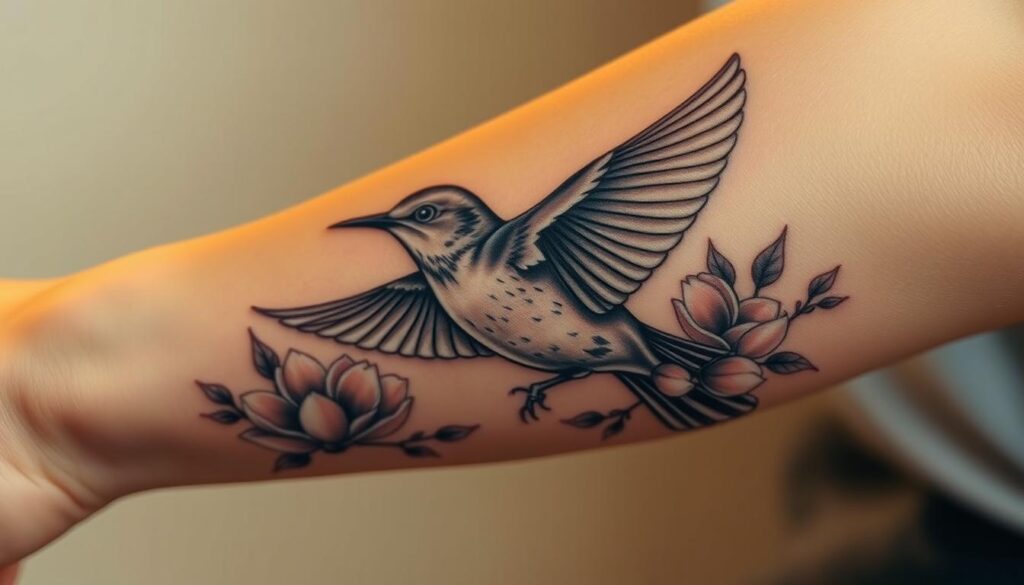
Mockingbird tattoos have become a powerful way to carry symbolism on your skin. These designs are more than just art—they’re personal emblems of protection, innocence, and self-expression. Whether you’re drawn to their spiritual meaning or their connection to music, mockingbird tattoos offer a unique way to tell your story.
Tattoos as Emblems of Protection and Innocence
In many cultures, the mockingbird is seen as a guardian. Its presence in tattoos often symbolizes protection for family and loved ones. The bird’s innocence is another key theme, representing purity and a reminder to stay true to yourself.
For some, a mockingbird tattoo serves as a spiritual shield. It’s a way to carry the bird’s protective energy with you wherever you go. This symbolism is deeply rooted in Native American traditions, where the mockingbird is revered as a messenger and protector.
Expressing Individuality Through Imagery
Mockingbird tattoos are also a celebration of individuality. The bird’s ability to mimic sounds reflects adaptability and creativity. When inked on skin, it becomes a reminder to embrace your unique voice and express yourself authentically.
Here are some popular design elements and their meanings:
- Wing patterns: Symbolize freedom and the ability to rise above challenges.
- Song motifs: Represent communication and the power of your voice.
- Nest imagery: Highlights themes of family and nurturing relationships.
These designs are not just visually striking—they carry deep personal significance. Whether you choose a minimalist outline or a detailed portrait, your mockingbird tattoo can be a conversation starter or a quiet reminder of your inner strength.
Mockingbird tattoos also connect you to nature and its cycles. They serve as a symbol of resilience, reminding you to adapt and thrive in any situation. By choosing this design, you’re not just wearing art—you’re carrying a piece of the mockingbird’s wisdom with you.
Literary References: To Kill a Mockingbird and Beyond
Literature has long used the mockingbird as a symbol of deeper truths, weaving its essence into stories that resonate across generations. Harper Lee’s “To Kill a Mockingbird” is perhaps the most iconic example, where the bird embodies innocence and the moral consequences of harming it. This novel has shaped public perceptions of the mockingbird, making it a timeless emblem of justice and humanity.

Innocence, Justice, and Cultural Impact
In “To Kill a Mockingbird,” the mockingbird serves as a metaphor for innocence. Atticus Finch famously tells his children that “it’s a sin to kill a mockingbird,” highlighting the bird’s role as a harmless creature that brings beauty to the world.
This idea mirrors the novel’s exploration of racial injustice, where innocent lives are destroyed by prejudice.
The book’s cultural impact is profound. It has been voted “America’s favorite novel” and remains a staple in high school curricula.
Its themes of empathy, morality, and the fight for justice continue to inspire readers, reminding us of the importance of protecting the innocent.
Here are some key lessons from the novel:
- Empathy: Atticus teaches Scout to understand others’ perspectives, a lesson that resonates in today’s world.
- Justice: The courtroom scenes highlight the struggle for equality, even in the face of systemic racism.
- Innocence: The mockingbird symbolizes the fragility of purity and the need to safeguard it.
Beyond literature, the mockingbird’s symbolism extends into modern culture. It serves as a reminder to value authenticity and protect those who cannot defend themselves. Whether in books, art, or daily life, the mockingbird’s message remains clear: innocence is worth preserving, and justice is worth fighting for.
How Mockingbird Encounters Influence Personal Growth
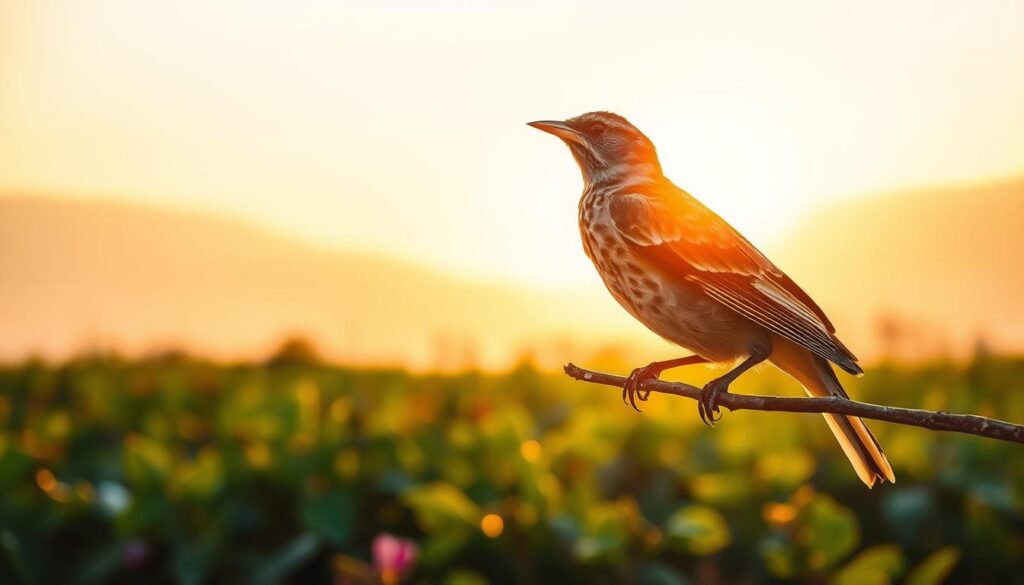
Everyday encounters with mockingbirds can be profound reminders to pause and reconnect with what matters. These birds, with their mimicry and song, often show up as subtle guides in our lives. Whether you spot one in your backyard or hear its melody during a walk, these moments can carry deeper messages about your personal journey.
Recognizing Life Lessons in Everyday Moments
Mockingbirds are more than just beautiful creatures—they’re symbols of adaptability and communication. When you encounter one, it’s an invitation to reflect on your current path. Are you listening to your inner voice? Are you nurturing your relationships and protecting what you hold dear? These questions can spark meaningful self-reflection.
In Native American traditions, the mockingbird is seen as a teacher of speech and a protector. Its presence reminds us to stay connected to our roots and learn from our experiences.
By observing its behavior, we can draw parallels to our own lives and find inspiration for growth.
Here are some ways to integrate these encounters into your personal development practices:
- Pause and reflect: Take a moment to appreciate the mockingbird’s presence and consider what it might be telling you.
- Journal your thoughts: Write down any insights or emotions that arise during these encounters.
- Practice mindfulness: Use these moments as a reminder to stay present and connected to your surroundings.
Mockingbirds also encourage us to embrace change and find creative solutions. Their mimicry is a metaphor for adaptability, reminding us to learn from others while staying true to ourselves. By paying attention to these encounters, you can uncover valuable lessons for your personal growth.
These small, everyday details often carry the most profound messages. Whether it’s a mockingbird’s song or its protective behavior, these moments can inspire renewed appreciation for life and its many lessons. Let these encounters guide you toward a deeper understanding of yourself and your journey.
Communication, Music, and the Power of Voice
The mockingbird’s song is more than just a melody—it’s a language of connection and self-expression. This remarkable bird uses its voice to communicate, adapt, and thrive, offering lessons we can apply to our own lives. Whether through music or spoken word, the mockingbird reminds us of the power of authentic communication.

The Language of Song and Self-Expression
Mockingbirds are masters of mimicry, blending sounds from their environment into unique songs. This ability is a metaphor for human creativity and self-expression. Just as the mockingbird adapts its song, we can learn to express ourselves in ways that resonate with others.
In Native American traditions, the mockingbird is seen as a teacher of speech. Its mimicry symbolizes the importance of learning from others while finding your own voice. This lesson is especially relevant in today’s world, where clear and authentic communication is key to building meaningful connections.
Building Confidence Through Vocal Empowerment
Finding your voice can be transformative. The mockingbird’s song inspires us to speak up and share our truth. Here are some strategies to build confidence through vocal empowerment:
- Practice active listening: Learn from others and adapt their insights into your own style.
- Embrace vulnerability: Authenticity often requires courage, but it leads to deeper connections.
- Use music as a tool: Singing or playing an instrument can help you express emotions that words alone cannot convey.
Studies show that engaging with music can reduce stress and enhance well-being. The mockingbird’s song is a reminder of the healing power of sound. By embracing your voice, you can inspire others and create a ripple effect of positivity.
Ultimately, the mockingbird teaches us that communication is not just about speaking—it’s about connecting. Whether through song, speech, or silence, your voice has the power to shape your identity and influence the world around you.
Modern Perspectives on the Mockingbird in Culture
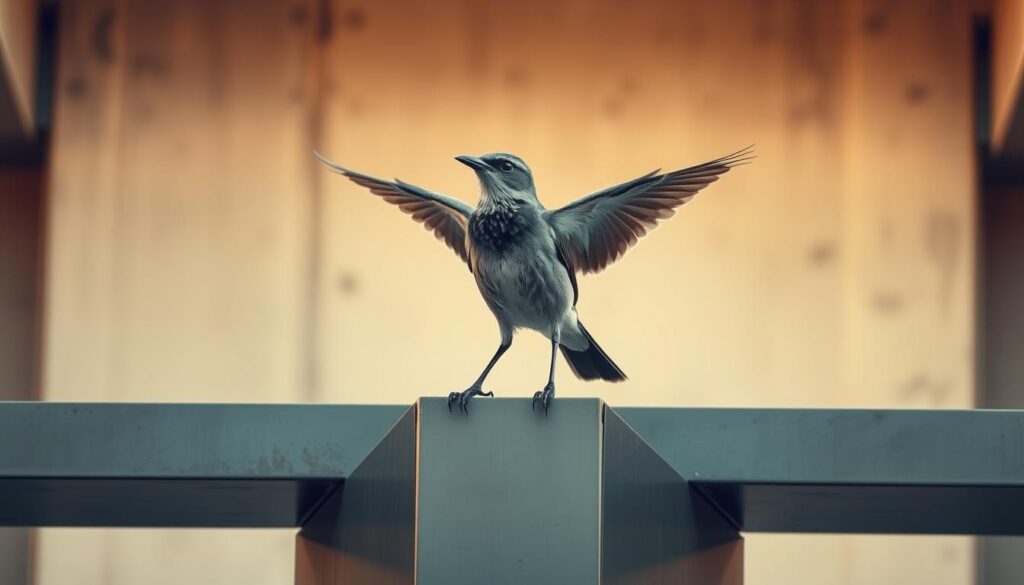
In today’s digital age, the mockingbird’s symbolism has found new life in art, social media, and contemporary culture. This remarkable bird, once a symbol of communication and protection, now represents authenticity and adaptability in a fast-paced world. Its timeless lessons continue to inspire, even as they are reinterpreted through modern lenses.
Social Media, Art, and Contemporary Symbolism
Social media platforms have become a canvas for mockingbird-inspired creativity. Artists and designers use its imagery to convey messages of individuality and resilience. Hashtags like #MockingbirdWisdom and #VoiceOfChange highlight its role as a symbol of self-expression in the digital era.
Contemporary art also embraces the mockingbird’s themes. Installations and digital artworks often feature its mimicry as a metaphor for learning and adaptation. These projects remind us that creativity thrives when we absorb and transform the world around us.
Here’s how modern culture has reshaped mockingbird symbolism:
- Authenticity: The mockingbird’s ability to mimic while retaining its uniqueness inspires us to stay true to ourselves.
- Adaptability: Its presence in digital content reflects our need to navigate change with grace.
- Connection: Social media campaigns use the mockingbird to foster community and shared understanding.
| Modern Medium | Symbolic Interpretation |
|---|---|
| Social Media | Encourages authenticity and self-expression in a connected world. |
| Contemporary Art | Highlights adaptability and the transformative power of creativity. |
| Digital Design | Uses mockingbird imagery to convey resilience and individuality. |
These modern interpretations build on the mockingbird’s rich traditions. Whether through a viral post or a gallery exhibit, its symbolism continues to resonate, reminding us of the power of voice and connection in an ever-changing world.
Analyzing Symbolism: Protection, Innocence, and Imitation
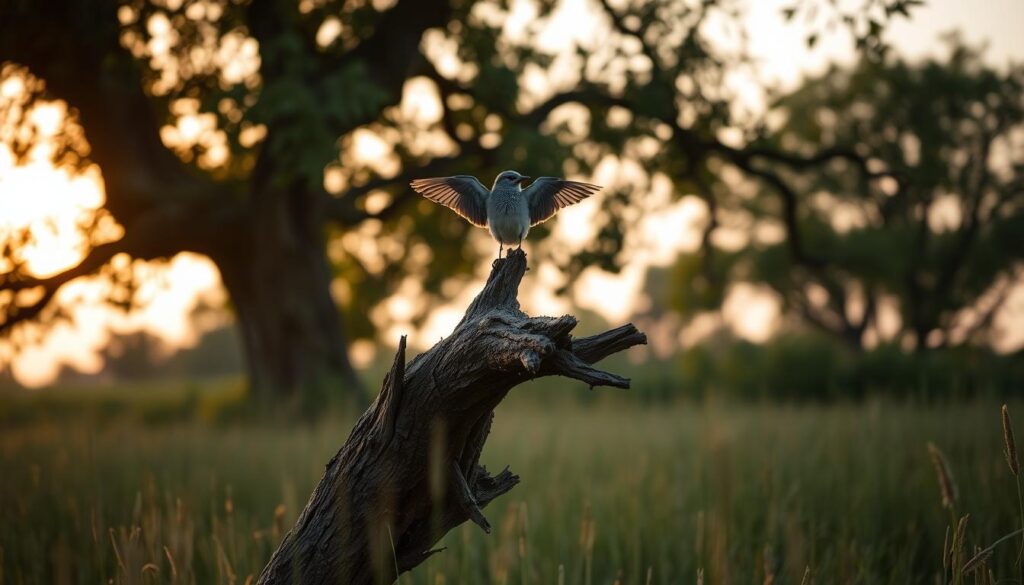
The mockingbird’s symbolism weaves together themes of protection, innocence, and imitation, offering profound life lessons. This remarkable bird serves as a guardian of purity, a teacher of adaptability, and a mirror of our own voices. Its presence in culture and dreams invites us to reflect on our actions and choices.
Emotional Resonance and Universal Life Lessons
At its core, the mockingbird symbolizes protection. Whether guarding its nest or mimicking sounds to deter predators, it reminds us to safeguard what we hold dear. This message resonates deeply with individuals facing moral dilemmas, encouraging them to defend their values and loved ones.
Innocence is another key theme tied to the mockingbird. Its pure, untainted nature reflects the fragility of goodness in a complex world. This symbol urges us to preserve our integrity and protect the vulnerable, much like the bird shields its young.
Imitation, a hallmark of the mockingbird’s behavior, offers a nuanced lesson. While mimicry can be a tool for learning and adaptation, it also raises questions about originality. The mockingbird teaches us to absorb knowledge while staying true to our unique voice.
Here’s how these symbols connect to universal experiences:
- Protection: Defending family and personal space.
- Innocence: Valuing purity and integrity in a changing world.
- Imitation: Balancing learning from others with maintaining authenticity.
By understanding these symbols, we can navigate life’s challenges with greater clarity and purpose. The mockingbird’s wisdom reminds us to value authenticity, safeguard what is pure, and embrace the power of our own voice.
Integrating Mockingbird Wisdom into Everyday Life
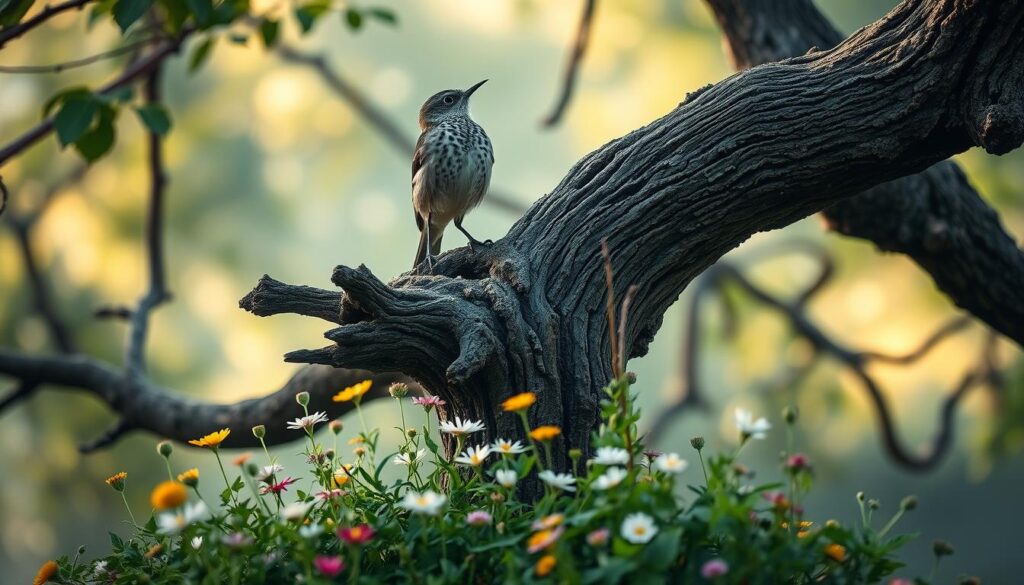
The mockingbird’s wisdom can transform your daily life, offering lessons in communication, protection, and creativity. This remarkable bird serves as a guide, encouraging you to embrace your unique voice and nurture what matters most. By integrating its symbolism into your routines, you can unlock new levels of personal growth and self-awareness.
Practical Tips for Self-Reflection
Start by observing the mockingbird’s behavior in nature. Its adaptability and protective instincts can inspire you to reflect on your own life. Are you guarding your personal space? Are you nurturing your relationships? These questions can spark meaningful self-reflection.
Here are some practices to deepen your connection with the mockingbird’s wisdom:
- Journal your thoughts: Write down insights or emotions that arise during encounters with mockingbirds.
- Practice mindfulness: Use these moments as a reminder to stay present and connected to your surroundings.
- Create rituals: Develop personal practices that celebrate the mockingbird’s symbolism, such as meditating on its song.
Utilizing Your Inner Voice for Personal Growth
The mockingbird’s ability to mimic sounds is a metaphor for finding your voice. It teaches us to absorb knowledge while staying true to ourselves. Here’s how you can harness this lesson:
- Speak your truth: Share your ideas confidently, even if they differ from others.
- Embrace curiosity: Explore new experiences and learn from the world around you.
- Protect your space: Safeguard your personal boundaries and nurture your relationships.
By integrating these practices, you can embody the mockingbird’s wisdom and create a harmonious balance between individuality and collective connection.
| Practice | Benefit |
|---|---|
| Journaling | Helps uncover inner truths and track personal growth. |
| Mindfulness | Encourages presence and connection to your environment. |
| Rituals | Celebrates symbolism and integrates it into daily life. |
| Speaking Your Truth | Builds confidence and fosters authentic communication. |
These steps can help you live a more intentional and inspired life, guided by the timeless wisdom of the mockingbird.
Conclusion
The mockingbird’s symbolism offers timeless lessons for personal growth and self-discovery. Throughout this exploration, we’ve uncovered its role as a symbol of communication, protection, and creativity. Whether in dreams or as a spirit animal, the mockingbird encourages us to trust our voice and embrace our unique path.
Its mimicry reminds us to adapt and learn from the world around us, while its protective instincts inspire us to safeguard what we hold dear. These themes resonate deeply, offering guidance for navigating life’s challenges with clarity and purpose.
Thank you for joining this journey into the mockingbird’s wisdom. As you reflect on its message, consider how its lessons can enrich your daily life. Let this remarkable bird be a reminder to nurture your relationships, express yourself authentically, and embrace change with grace.
May the mockingbird’s symbolism continue to inspire you on your path. Share your experiences and insights, and revisit these lessons whenever you need guidance. Together, we can integrate ancient wisdom into modern life, creating a harmonious balance between individuality and collective connection.
Mockingbird Quick Animal Facts
| Scientific Name | Family Mimidae; northern mockingbird: Mimus polyglottos |
|---|---|
| Habitat | Open woodland, scrub, gardens, parks, suburbs, fields, and forest edges |
| Diet | Insects, berries, fruit, seeds, and other small foods |
| Lifespan | Species-dependent; northern mockingbirds can live several years in the wild |
| Conservation Status | Northern mockingbird is Least Concern |
| Symbolism | Communication, creativity, adaptability, individuality, protection, and self-expression |
Sources: Wikipedia: Mockingbird; Wikipedia: Northern mockingbird.